Microsoft Azure Supercomputer Enters TOP500: Advancing Healthcare Computing with Linux-Based HPC
Microsoft's Voyager-EUS2 supercomputer joins the TOP500 rankings, demonstrating how cloud-based high-performance computing transforms healthcare research and medical applications.
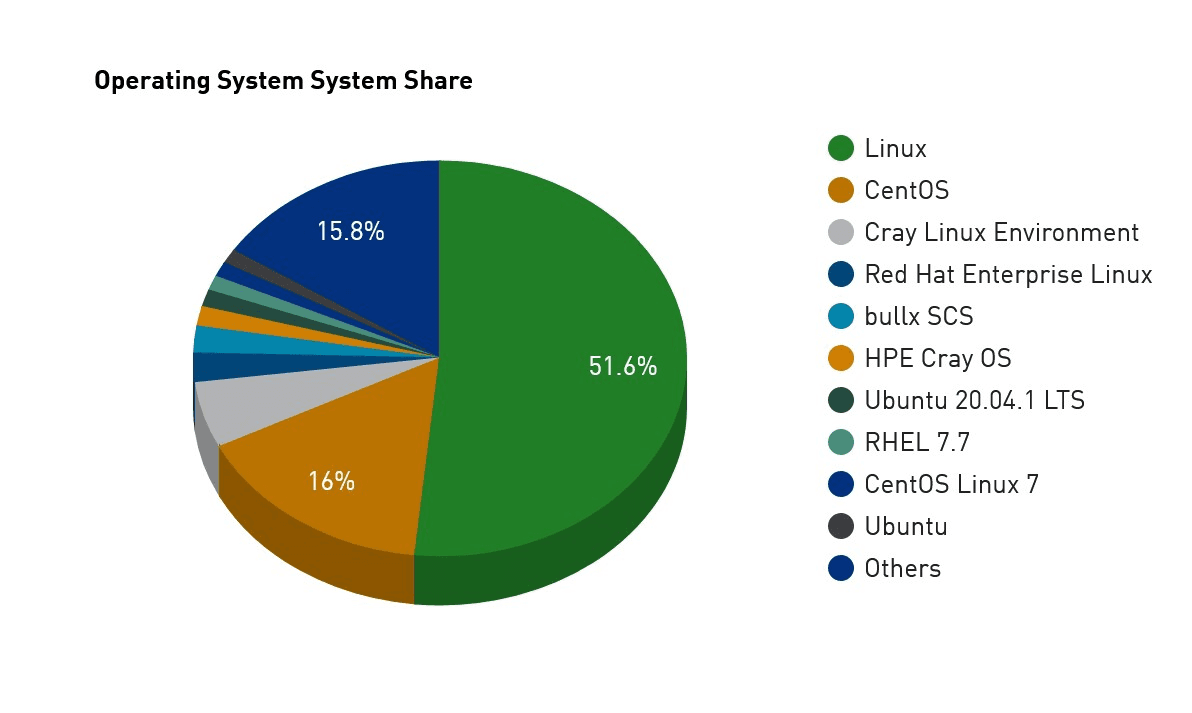
Microsoft's entry into the TOP500 supercomputer rankings with their Azure-based Voyager-EUS2 system represents a significant milestone in cloud computing and high-performance computing (HPC) for healthcare applications. Ironically, this Microsoft supercomputer runs on Linux rather than Windows, highlighting the pragmatic approach to operating system selection in enterprise healthcare computing environments.
TOP500 Rankings and Healthcare Computing Power
The TOP500 list continues to be dominated by the Japanese supercomputer Fugaku, which maintains its position as the world's most powerful system with 7,630,848 cores delivering 442 petaflops per second. This massive computational power has direct applications in healthcare research, including drug discovery, genomic analysis, and epidemiological modeling that benefits global health initiatives.
Following Fugaku, the US-based Summit supercomputer delivers 148.8 PFLOPS, while Sierra provides 94.6 PFLOPS. These systems regularly contribute to healthcare research, including COVID-19 modeling, cancer research, and pharmaceutical development. Spain's Marenostrum, ranked 74th with 6.47 PFLOPS, demonstrates how even mid-tier supercomputers provide substantial computational resources for healthcare research institutions.
Microsoft Azure's Healthcare HPC Strategy
Microsoft's Voyager-EUS2 supercomputer features 253,440 cores powered by AMD EPYC 7V12 processors, each containing 48 cores. The system's Linux-based architecture reflects Microsoft's strategic decision to optimize for performance and compatibility with existing HPC software ecosystems, particularly those used in healthcare research and bioinformatics applications.
This approach demonstrates Microsoft's commitment to providing healthcare organizations with the most effective computing solutions, regardless of operating system preferences. For healthcare IT departments, this flexibility means they can leverage Microsoft's cloud infrastructure while maintaining compatibility with Linux-based research tools and healthcare applications.
AMD's Dominance in Healthcare Computing
The TOP500 list reveals AMD's significant success in the supercomputing sector, with 15 of the most powerful systems utilizing AMD processors. This trend has important implications for healthcare organizations considering high-performance computing investments, as AMD's architecture provides excellent performance-per-dollar ratios for computationally intensive healthcare applications.
The German JUWELS Booster Module, ranking eighth globally with 44.1 PFLOPS, exemplifies how AMD-based systems deliver exceptional performance for European healthcare research initiatives. These systems support everything from medical imaging processing to large-scale genomic studies that advance personalized medicine approaches.
Cloud HPC for Healthcare Organizations
Microsoft's presence in the TOP500 rankings validates the viability of cloud-based high-performance computing for healthcare applications. Healthcare organizations can now access supercomputer-level computational resources through Azure without the massive capital investments traditionally required for on-premises HPC infrastructure.
This democratization of HPC access enables smaller healthcare organizations and research institutions to perform complex analyses previously available only to large academic medical centers. Applications include medical image processing, drug discovery simulations, epidemiological modeling, and genomic research that directly impact patient care quality.
Healthcare HPC Integration
Microsoft's TOP500 achievement demonstrates how cloud-based supercomputing can provide healthcare organizations with scalable, high-performance computing resources that integrate seamlessly with existing healthcare IT infrastructure and compliance requirements.
The strategic choice to run Linux on Microsoft's supercomputer reflects the company's pragmatic approach to healthcare technology solutions. Healthcare organizations benefit from this flexibility, gaining access to both Microsoft's enterprise services and the extensive ecosystem of Linux-based healthcare research tools, creating a comprehensive platform for advancing medical research and patient care.
Ready to Transform Your Business?
Let's discuss how our expertise can help you achieve your goals.
Get Started Today